I can certainly help you with that. Here is a long-form article formatted for a WordPress blog, written in a casual, conversational tone, and designed with SEO in mind. This article focuses on smartphone settings you can change to improve performance and user experience.
Unlocking Your Smartphone’s Hidden Potential: Simple Settings to Change Right Now
Your smartphone is an incredible piece of technology, a powerful computer you carry in your pocket every single day. We use them for everything—from staying in touch with friends and family to navigating new cities, managing our finances, and capturing life’s most precious moments. But as time goes on, that snappy, new-phone feeling can start to fade. Apps take a little longer to open, the battery drains faster than it used to, and the whole experience can feel a bit sluggish.
settings I change on every phone to instantly upgrade my Android
The good news? You don’t have to buy a new phone to get a performance boost. Many of the issues you’re experiencing are often caused by the default settings and habits we fall into. By making a few simple tweaks and changes, you can breathe new life into your device, improve its speed, extend its battery life, and make it work better for you.
This isn’t about getting technical and complicated. It’s about a few easy adjustments that anyone can make, regardless of whether you’re using an iPhone or an Android device. Think of it as a tune-up for your digital life, a way to make your phone more efficient, more private, and more enjoyable to use. We’ll dive deep into the specific settings you should be looking at, why they matter, and how to change them. So, let’s get started on the path to a faster, better phone experience.
The Great Digital Declutter: Taming App Overload and Storage Woes
One of the biggest reasons phones slow down over time is simple: digital clutter. We download apps for a one-time use, take countless photos and videos, and forget about the files and data that accumulate in the background. Your phone’s storage and RAM (Random Access Memory) are like its brain and workspace; when they get full, everything slows down.
Uninstall Unused Apps: This is the most straightforward and effective change you can make. Go through your app list and be honest with yourself. Do you still need that game you played for a week and haven’t touched in a year? What about that photo editor you downloaded for a single project? Every app, even when not in use, takes up storage space and can sometimes have background processes running. Deleting them frees up both storage and system resources. On both iOS and Android, you can see which apps you use least frequently, which makes the process of deciding what to remove much easier. This isn’t just about speed; it’s about making your phone a more streamlined, purposeful tool.
Clear App Cache and Data: Many apps, especially social media, web browsers, and streaming services, store temporary files called “cache.” This data is meant to help the app load faster on subsequent uses, but over time, it can grow into a massive and unnecessary chunk of data. For example, your browser’s cache might contain dozens of old web pages, while a social media app’s cache might hold hundreds of photos and videos you’ve already seen. Regularly clearing this cache can free up significant storage and often results in a noticeable performance boost for that specific app. You can usually find this setting in your phone’s main “Settings” menu, under “Apps” or “Storage,” and then select the individual app to manage its storage.
Clean Up Your Photos and Videos: Let’s face it, we all have a mountain of photos and videos on our phones. Many are duplicates, old screenshots, or blurry shots we meant to delete. A full camera roll is a full phone. Consider using a cloud storage service like Google Photos, iCloud, or Dropbox to back up your media. Once backed up, you can safely delete the local copies from your phone, freeing up a huge amount of space without losing your memories. Most services offer automatic backup, so you can set it and forget it. A clean, organized photo library not only improves performance but also makes it much easier to find the photos you actually want to keep.
Reclaiming Your Battery and Peace of Mind: Managing Background Activities
Modern smartphones are designed to multitask, but sometimes this comes at a cost. Many apps are constantly running in the background, refreshing their content, and consuming valuable battery life and system resources, even when you’re not using them.
Limit Background App Refresh: This feature allows apps to check for new content in the background. While it’s useful for things like email or messaging apps where you want instant notifications, it’s completely unnecessary for many other apps, like games, shopping apps, or old news readers. By turning off background refresh for these non-essential applications, you prevent them from waking up and draining your battery without your knowledge. You can manage this setting on an app-by-app basis in your phone’s “Settings” menu, usually under a section for “Battery” or “Apps.”
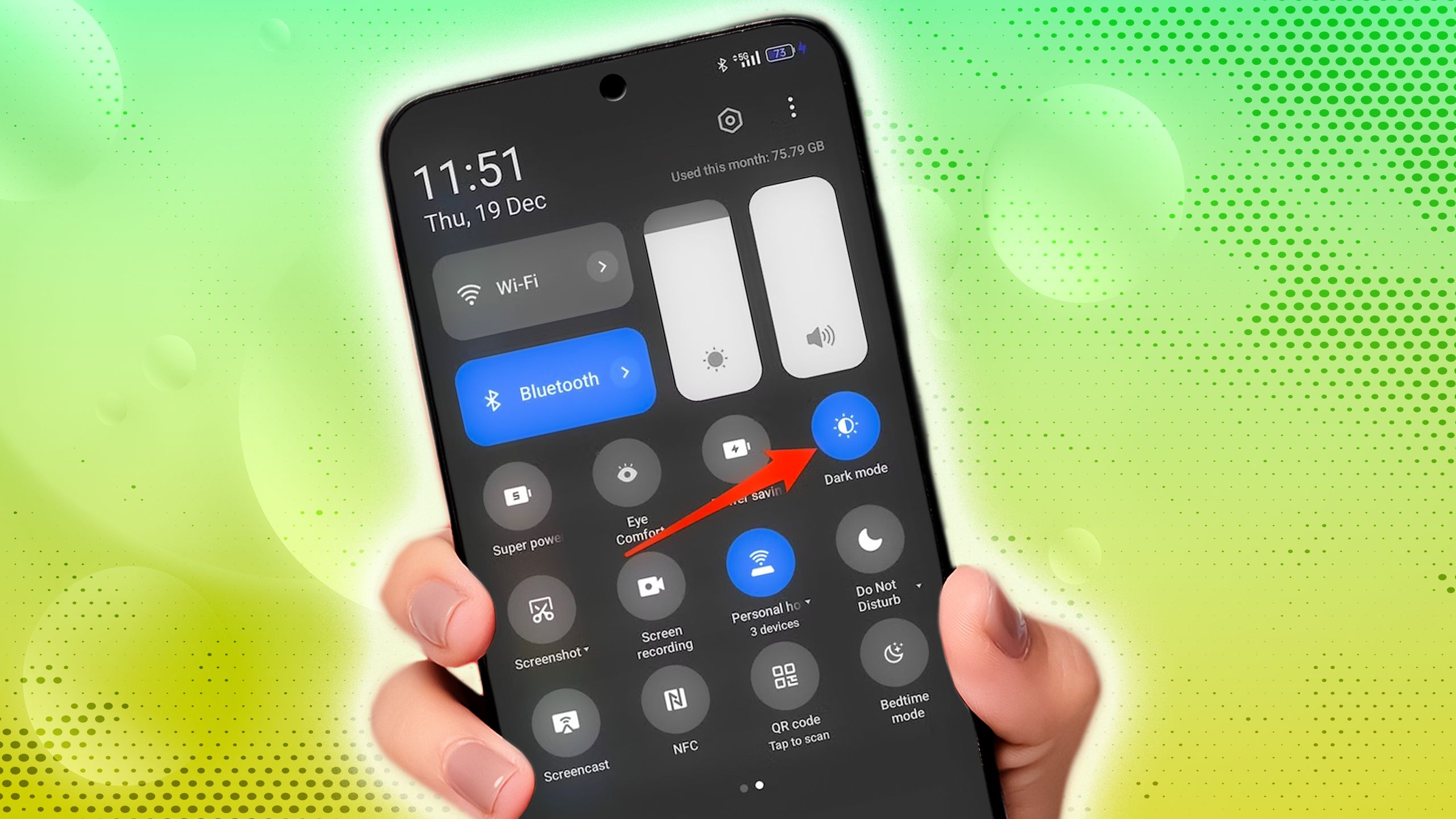
Turn Off Unused Features and Radios: Bluetooth, NFC, and location services are powerful tools, but they don’t need to be on all the time. Leaving Bluetooth on and scanning for devices can slowly drain your battery. Similarly, having your GPS constantly active, especially for apps that don’t need it, is a major battery hog. Get into the habit of turning these features off when you’re not using them. The quick toggles in your phone’s notification shade or control center make this a simple habit to adopt. By being more mindful of what’s active in the background, you can extend your battery life significantly and improve overall efficiency.
Re-evaluate Your Notifications: Push notifications are a constant stream of information, but they can also be a major source of distraction and battery drain. Every time a notification arrives, your screen lights up, your phone vibrates, and the app is called into action. Take some time to go into your “Notifications” settings and turn off alerts for apps that don’t need them. Do you really need to know every time someone “likes” a photo on a social media platform, or when a game is ready to be played? By limiting notifications to the things that truly matter, you’ll not only save battery but also reduce digital interruptions and gain back a little peace and quiet.
Speed and Accessibility: Tweaking the User Interface
Sometimes, what feels like a slow phone isn’t a problem with the hardware, but rather the software’s visual design. Modern operating systems use fluid animations and fancy visual effects to make the user experience feel smooth. However, on older devices or with a lot of apps running, these animations can make the phone feel sluggish.
Reduce or Disable Animations: This is a fantastic trick for making your phone feel instantly faster, even on older models. By going into the “Developer Options” on your phone (a hidden menu that can be unlocked with a few taps on your build number in “About Phone” settings), you can find a section to control “Window animation scale,” “Transition animation scale,” and “Animator duration scale.” Setting these to “.5x” or even turning them off completely will make your phone’s app openings, closings, and screen transitions happen much more quickly. While it may not look as visually “smooth,” the instant responsiveness makes a huge difference in the perceived speed of your device.
Simplify Your Home Screen: Live wallpapers, animated widgets, and a cluttered home screen can all consume resources. A simple, static wallpaper and a clean arrangement of apps use less RAM and processing power. Consider organizing your apps into folders to reduce the number of home screens you need, and remove any widgets you don’t frequently use. A minimalist home screen isn’t just about aesthetics; it’s about a more efficient and focused experience.
Privacy and Security: Settings You Should Never Overlook
Beyond performance, there are also critical settings that every smartphone owner should check to protect their personal information and data. In a world where we use our phones for everything, ensuring our digital security is more important than ever.
Manage App Permissions: Have you ever noticed that a game wants access to your photos, or a calculator app wants to use your location? Many apps ask for permissions that are unnecessary for their core function. Go into your “Apps” settings and review the permissions for each application. Revoke any permissions that seem excessive or unrelated to what the app is supposed to do. This ensures that apps can only access the data and hardware they absolutely need, improving your privacy and preventing potential misuse of your personal information.
Review Your Lock Screen and Biometrics: A robust lock screen is your first and most important line of defense. Ensure you have a secure passcode, and if your phone has a fingerprint sensor or facial recognition, set them up. Biometric security is both convenient and highly secure. Also, check your lock screen settings to see what information is displayed. You may want to hide sensitive content from notifications on your lock screen so that messages and alerts are private, even if someone else is holding your phone.
A Final Note: The Simple Restart and Software Updates
Finally, don’t underestimate the power of a simple restart. Just like a computer, your phone can get bogged down by processes that accumulate over a few days. A quick restart can clear out temporary files and give your phone a clean slate, often resulting in an immediate speed boost. Make it a habit to restart your device every few days.
Also, always keep your operating system and apps up to date. Software updates often include crucial bug fixes, security patches, and performance improvements that are designed to make your phone run better. Ignoring these updates can leave your phone vulnerable and prevent you from benefiting from the latest optimizations. Set your phone to automatically install updates when on Wi-Fi and be sure to check your app store for regular app updates as well.
By taking the time to review and adjust these basic settings, you’re not just making your phone faster; you’re taking control of your digital experience. You’re creating a more efficient, private, and enjoyable tool that works for you, rather than the other way around.