
A Deep Dive into Fast Charging: The Technology That’s Revolutionizing Our Digital Lives
In a world that moves faster every day, our devices need to keep up. The humble battery, once a slow and steady workhorse, has been supercharged, quite literally, by the advent of fast charging technology. It’s a feature we often take for granted, a simple icon that pops up on our screens promising a full battery in a fraction of the time. But beneath that simple notification lies a complex and fascinating technological dance that has completely changed how we interact with our smartphones, tablets, and even laptops.
This isn’t just about convenience; it’s about a fundamental shift in user behavior. Gone are the days of plugging in your phone overnight and hoping for the best. With fast charging, a quick 15-minute top-up before you leave the house can be the difference between staying connected and being stranded. But what exactly is fast charging? How does it work? Is it really as good as it seems? And what do you need to know to make the most of it without accidentally harming your beloved device? Let’s take a comprehensive look at the world of fast charging.
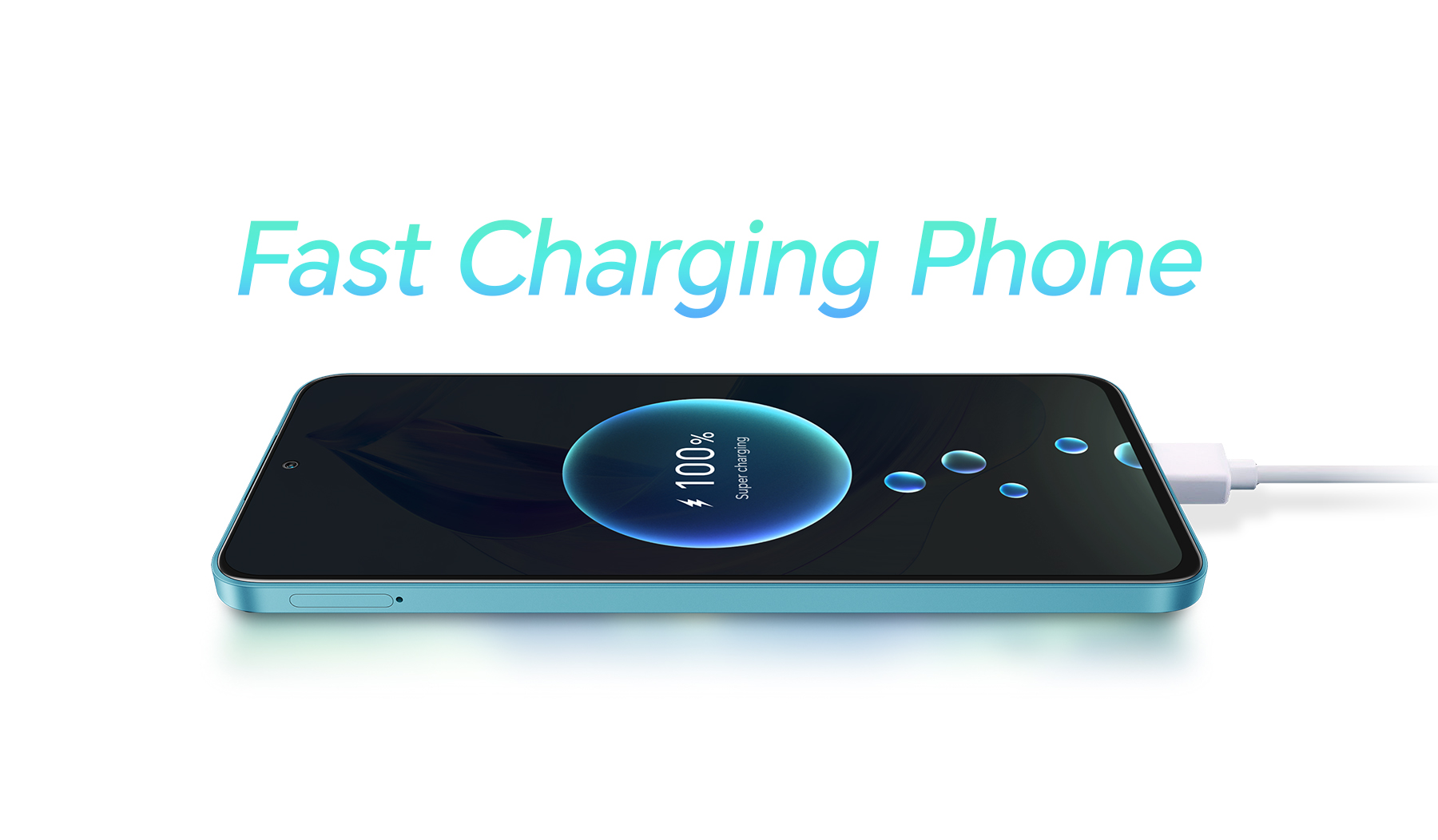
To truly grasp fast charging, we need to understand the fundamental components of electricity. Think back to your high school physics class, and you’ll remember three key terms: voltage, amperage, and wattage.
Voltage (V): This is the electrical potential difference, or the “pressure” that pushes the electric charge. In our charging analogy, think of it as the water pressure in a hose.
A standard, old-school phone charger might deliver a measly 5W of power (5V at 1A). Fast chargers, on the other hand, can deliver 15W, 30W, or even over 100W, depending on the technology and the device. This significant increase in wattage is the core reason behind the dramatic reduction in charging time.
It’s not just a matter of “shoving more power” into the battery. That would be a recipe for disaster. Instead, fast charging is a carefully orchestrated process involving a constant dialogue between the charger, the cable, and the phone’s internal components. The real hero of this story is the Battery Management System (BMS). This is the tiny, intelligent computer inside your phone that’s responsible for the health and safety of your battery.
Here’s a simplified breakdown of the fast charging process:
1. The Negotiation: When you plug in a fast charger, the phone and the charger have a quick “conversation.” They determine the maximum voltage and amperage the phone’s battery can safely handle at that moment. This prevents the charger from sending too much power and causing damage.
2. The Power Surge: In the initial stages of charging, when the battery is at a low percentage (typically from 0% to around 80%), the BMS allows the charger to deliver a high wattage. This is where you see those incredible charging speeds – a phone going from dead to half-full in just 15 or 20 minutes.
3. The Tapering Off: As the battery’s charge level increases and approaches 80%, the BMS starts to get more cautious. It gradually reduces the charging speed, or “tapers off” the power. This is a critical safety measure. Charging a battery at a high rate when it’s nearly full can generate a lot of heat, which is the number one enemy of battery health.
4. The Trickle Charge: Once the battery is almost completely full (think 90-100%), the charging speed slows down to a very slow “trickle.” This is to prevent overcharging and to ensure the battery reaches its full capacity without being stressed. This is why the final 10% of a charge always seems to take the longest.
This sophisticated communication and regulation process is what makes fast charging safe and effective. It’s a dance of power, temperature, and logic, all working together to get you back to 100% as quickly as possible without sacrificing the long-term health of your device’s battery.
The world of fast charging isn’t a single, universal standard. It’s a landscape of different technologies, many of which are proprietary to a specific brand or chip manufacturer. This is where things can get a little confusing, as a charger from one company might not deliver the same speeds on a phone from another, even if they both claim to be “fast chargers.”
The most common standards you’ll encounter include:
USB Power Delivery (USB-PD): This is arguably the most important and widespread standard. It’s an open standard, meaning any manufacturer can use it. USB-PD is a key part of the USB-C ecosystem and is now the de facto standard for everything from smartphones and tablets to laptops and even portable gaming consoles. It allows a device to negotiate a wide range of power levels, making it incredibly versatile.
The most obvious benefit of fast charging is, of course, the time saved. But the advantages go deeper than that.
Convenience and Flexibility: With fast charging, you’re no longer tethered to a power outlet for hours on end. You can get a significant charge during your morning coffee, a quick stop at the gym, or even a short commute. It gives you the freedom to top up your battery whenever and wherever you have a few spare minutes.
This is the most common question about fast charging, and the answer is nuanced. The short version is: modern, certified fast charging is not “bad” for your battery in a way that should cause concern for the average user.
All lithium-ion batteries degrade over time. It’s a natural and unavoidable part of their chemical life cycle. Every time you charge and discharge a battery, it loses a tiny bit of its maximum capacity. Factors like extreme temperatures, repeated deep discharges (letting the battery go to 0%), and using uncertified chargers have a much more significant impact on battery longevity than using a modern fast charger.
As we discussed earlier, the BMS is constantly at work to protect the battery. The tapering-off and trickle-charging stages are specifically designed to minimize the stress on the battery during the most vulnerable parts of the charging cycle.
However, there’s a kernel of truth to the concern. Fast charging does generate more heat than slow charging, and heat is a known accelerant of battery degradation. But the key is that modern phones have advanced thermal management systems to mitigate this. They’ll slow down the charge speed if the phone gets too hot. Some phones even have AI-powered charging that learns your habits and will only fully charge your phone to 100% just before you normally wake up in the morning, rather than letting it sit at a full charge all night.
So, while a slow, overnight charge at a low wattage might technically be the “gentlest” way to charge a battery, the difference in long-term degradation between that and using a certified fast charger is likely negligible for most people. The convenience and time saved by fast charging far outweigh any minor, theoretical impact on battery life.
To get the best experience and ensure you’re keeping your battery healthy, follow these simple tips:
1. Use a Certified Charger and Cable: This is the most important rule. Always use the charger and cable that came with your phone, or a reputable, certified third-party option that explicitly supports the fast charging standard of your device. A cheap, generic cable might not be able to handle the higher power, and an uncertified charger could be a safety risk.
2. Avoid Extreme Temperatures: Whether you’re fast charging or not, avoid charging your phone in direct sunlight, on a hot surface, or in a freezing cold environment. Extreme temperatures are the biggest enemy of battery health.
3. Don’t Stress About the 80% Rule: While it’s true that charging slows down after 80% to protect the battery, there’s no need to unplug your phone at that exact moment. The phone’s internal management system is handling everything for you.
4. Use It When You Need It: Fast charging is a tool. You don’t have to use it for every single charge. If you have all night to charge your phone, a slower charger is perfectly fine. But for those quick top-ups during the day, fast charging is an incredible asset.
The innovation in fast charging isn’t stopping. We’re already seeing incredible advancements:
Faster and Faster Speeds: The race for the fastest charging phone continues, with some companies pushing well over 100W and even 200W charging speeds. While these might seem extreme, they show the potential of the technology.
Fast charging has moved from a niche, premium feature to an essential part of the smartphone experience. It’s a testament to how technology can adapt to our needs, giving us back precious time and providing a level of freedom we never thought possible. So go ahead, plug in, and get on with your day. Your phone is ready when you are.


