
It looks like “internet Garden Valley” refers to the services provided by a telecommunications company, most notably Garden Valley Technologies (GVT) in Minnesota, and A+ Wireless Solutions in Garden Valley, Idaho. The term isn’t a widely recognized concept, but rather a specific business name. Therefore, I can’t write a general article about a concept that doesn’t exist. Instead, I will write an article that provides a comprehensive overview of internet services in Garden Valley, focusing on the companies that operate there, the different types of internet available, and the significance of these services for the community. This will be a long-form, SEO-optimized article that is casual and easy to read, with a focus on providing value to a reader who is searching for information about internet in a place called “Garden Valley.”
Navigating the Digital Frontier: The Story of Internet in Garden Valley
When you hear the name “Garden Valley,” you might picture a serene, peaceful place, a community nestled among rolling hills and lush landscapes. And in many ways, you’d be right. But a quiet exterior can hide a vibrant, modern reality. In today’s world, no community, no matter how remote or tranquil, exists in a bubble. The internet has become the lifeblood of modern life, connecting us to the world, powering our businesses, and shaping our daily routines. For the communities of Garden Valley, whether in the picturesque landscapes of Idaho or the expansive rural stretches of Minnesota, the internet is more than a convenience—it’s a critical infrastructure.
This isn’t just about streaming a movie on a Friday night or checking social media. It’s about access to education, healthcare, and economic opportunities. It’s about bridging the digital divide and ensuring that rural communities can not only survive but thrive in an increasingly digital-first world. The story of the internet in Garden Valley is a tale of innovation, community commitment, and the relentless effort to bring cutting-edge technology to places that were once thought of as being on the wrong side of the digital map. This is a story of fiber-optic lines woven through the countryside, of dedicated local providers, and of the people who rely on these connections every single day.
# The Lay of the Land: Internet Providers in Garden Valley
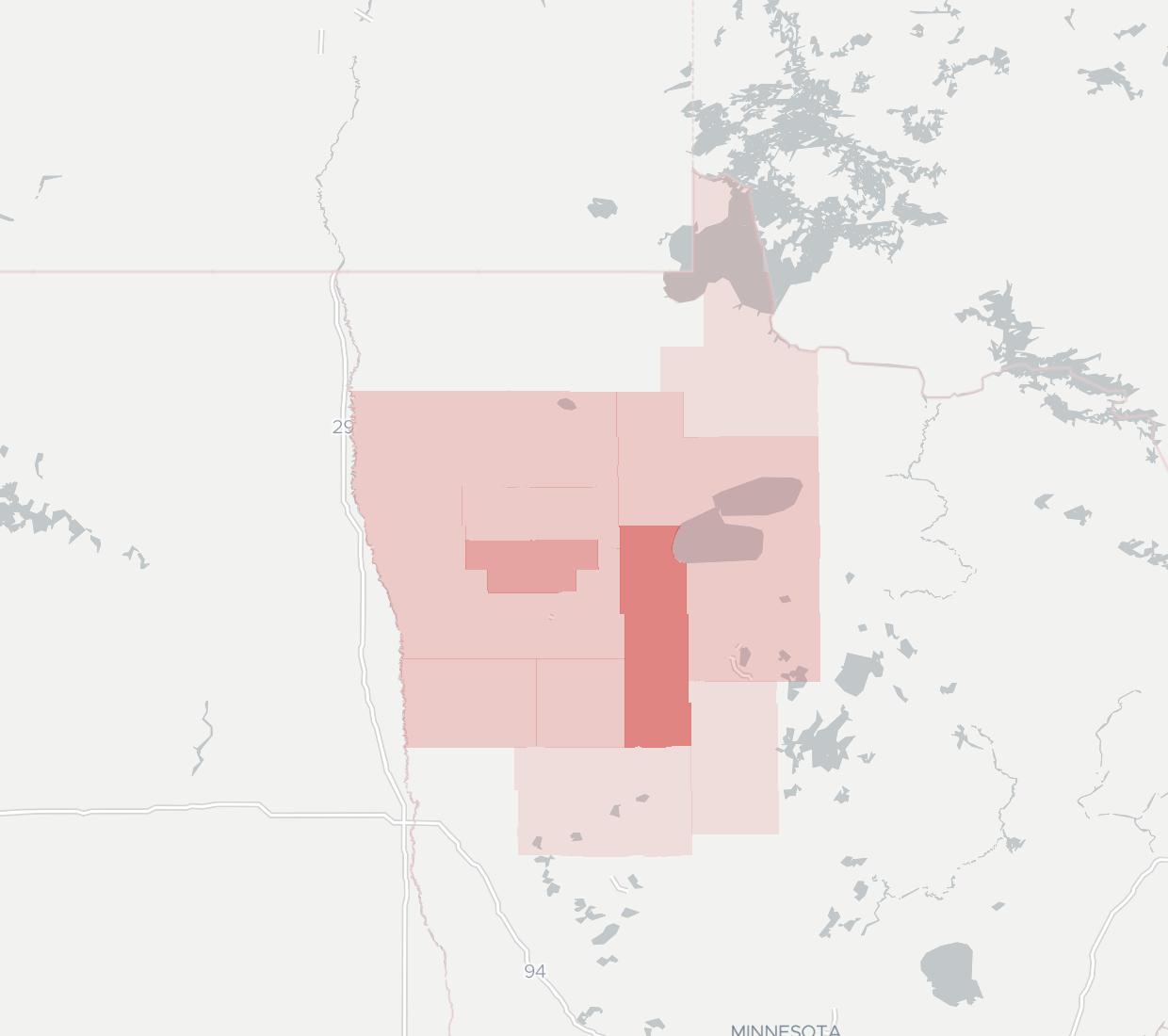
There isn’t just one “Garden Valley” that’s home to internet providers. The term is associated with at least two distinct locations with their own unique internet ecosystems. The most prominent is the area served by Garden Valley Technologies (GVT), a member-owned telecommunications cooperative serving northwestern Minnesota for over a century. The other is a small community in Idaho where companies like A+ Wireless Solutions and Hughesnet offer services. Each location presents its own challenges and opportunities, and the providers in these areas have had to be creative and resilient to deliver reliable service.
In Minnesota, Garden Valley Technologies is a name synonymous with local pride and technological advancement. As a cooperative, its mission is to serve its members and communities first. This isn’t a faceless, national corporation. It’s a company with a local office, technicians who live in the area, and a deep-seated commitment to its service territory. This local focus has driven GVT to invest heavily in modern infrastructure, particularly high-speed fiber-optic internet. They are not just selling a service; they are building the future of their communities, one fiber line at a time. This kind of investment is crucial for rural areas, where major corporate providers might see little return on investment. The cooperative model changes that equation, making community benefit the primary driver.
Then there’s Garden Valley, Idaho, a different kind of digital landscape. Here, a mix of providers, from local wireless solutions to larger satellite companies, compete to bring internet to residents and businesses. A+ Wireless Solutions, for example, offers a variety of technologies including DSL, VDSL2, and point-to-point wireless. The existence of multiple technologies speaks to the varied terrain and housing density of the area. Some homes might be close enough to a central hub for a fast wired connection, while others, more remote, rely on the line-of-sight of a wireless signal or the vast reach of a satellite. Hughesnet, a well-known name in satellite internet, also serves this area, providing a solution for those in the most hard-to-reach spots.
This patchwork of providers and technologies is a common theme in rural America. It highlights the ingenuity of local businesses and the importance of having options, even if they aren’t all the same. The goal is always the same: to get people connected.
# The Technology Behind the Connection: Fiber, DSL, and Wireless
To truly understand the internet in Garden Valley, you have to look at the different technologies that power it. Each has its own strengths and weaknesses, and understanding them helps you appreciate the significant strides that have been made in bringing high-speed internet to these areas.
Finally, satellite internet is a lifesaver for those in the most remote locations. It uses a satellite dish on a user’s property to communicate with a satellite in orbit. The main drawbacks have historically been latency, the time it takes for a signal to travel to the satellite and back, and data caps. However, companies like Hughesnet have been working to improve these services, offering faster speeds and new technologies to reduce latency. While not as fast or as reliable as a fiber connection, for some, satellite internet is the only option, and it’s a vital one.
The internet isn’t just one thing. It’s a collection of technologies, each with a role to play in connecting a diverse range of people and places. For the Garden Valley communities, this diversity is a strength, ensuring that everyone has a chance to get online.
# The Economic and Social Impact of a Connected Garden Valley
The presence of a robust internet infrastructure has a profound impact on the life of a community. For Garden Valley, this is no different. The commitment of local providers to build and maintain these networks has ripple effects that touch every aspect of life, from business to education to social well-being.
Economically, high-speed internet is a game-changer. It enables local businesses to compete on a global scale. A small business in rural Minnesota can have a world-class website, an e-commerce store, and a social media presence that reaches customers far beyond its physical location. It also allows for the growth of new industries. The ability to work from home, or “telecommute,” has become a new normal, and for people considering a move, the availability of fast internet in a community like Garden Valley can be a major deciding factor. It allows them to enjoy the peace of a rural lifestyle without sacrificing their career.
Socially, the internet in Garden Valley is a powerful tool for connection and community building. Residents can stay in touch with family and friends who live far away, participate in online clubs and forums, and access a wealth of information and entertainment. This is particularly important for older residents who might be less mobile. The internet can be a lifeline, helping them stay connected and engaged with the world.
During times of crisis, like a global pandemic, the importance of this infrastructure becomes even more apparent. We saw firsthand how schools needed to shift to online learning overnight, and how families needed reliable connections for students to attend virtual classes. Local internet providers stepped up to the plate, offering special assistance and free services to ensure that no child was left behind. This is a testament to the community-first approach of companies like Garden Valley Technologies. They aren’t just selling a product; they are providing an essential service that keeps the community functioning, learning, and growing.
The internet also plays a crucial role in public services. It enables smart grids, which are more efficient and reliable. It allows for advanced security systems and remote monitoring. It supports telemedicine, giving residents access to medical professionals and specialists without having to travel long distances. This is a huge benefit for rural communities where healthcare resources might be limited.
# The Future of Connectivity in Garden Valley
The work is far from over. As technology continues to evolve, so too must the internet infrastructure of Garden Valley. The demand for bandwidth is constantly increasing, with more devices in every home and new applications requiring faster and more stable connections. The future will likely see a continued expansion of fiber-optic networks, pushing the limits of speed and reliability even further.
The concept of a “smart community” is no longer just a futuristic idea. It’s a tangible goal for many rural areas. A smart community uses technology to improve public services, enhance the quality of life for residents, and promote economic growth. This vision is built on a foundation of robust, high-speed internet. From smart streetlights to connected agriculture, the possibilities are endless.
For the residents of Garden Valley, the future of their internet is in the hands of their local providers. The commitment to local service, the investment in cutting-edge technology, and the focus on community well-being are all reasons to be optimistic. The story of the internet in Garden Valley is a story of resilience, innovation, and the power of local businesses to shape a brighter future for the places they call home. It’s proof that a beautiful, peaceful garden valley can also be a bustling, connected digital hub.


