
Are you on the hunt for a new smartphone but wincing at the astronomical price tags of the latest flagship models? You’re not alone. The world of brand-new tech is a fast-moving, and often expensive, one. But what if there was a way to get a premium device, with all the bells and whistles you desire, without having to take out a second mortgage? This is where refurbished smartphones enter the conversation, and for a growing number of savvy consumers, they are an absolute game-changer.
The idea of a “used” phone might bring to mind a cracked screen, a barely-there battery, and the vague sense that you’re buying someone else’s problem. But the world of refurbished tech is far from that. It’s a professional industry, where devices are given a second chance at life through meticulous inspection, repair, and certification. This isn’t your average, “as-is” private sale on a local marketplace. This is a carefully managed process designed to deliver a device that looks, feels, and performs as close to new as possible, all while offering a significant discount and a host of other benefits. So, are refurbished smartphones worth it? The simple answer is yes, and in this comprehensive guide, we’ll dive deep into why, exploring the facts, debunking the myths, and giving you everything you need to know to make an informed and confident purchase.
Deconstructing the Refurbished Smartphone: What You’re Really Buying
To understand the value proposition of a refurbished phone, we first need to clarify what it actually is. The term itself can be a bit of a catch-all, but generally, a refurbished smartphone is a pre-owned device that has been returned to a manufacturer, retailer, or a certified refurbisher. The reasons for the return can vary widely: a customer might have simply changed their mind and returned it within the cooling-off period, the phone might have had a minor defect that was easily fixed, or it could be a device that has been traded in by a user upgrading to a newer model.
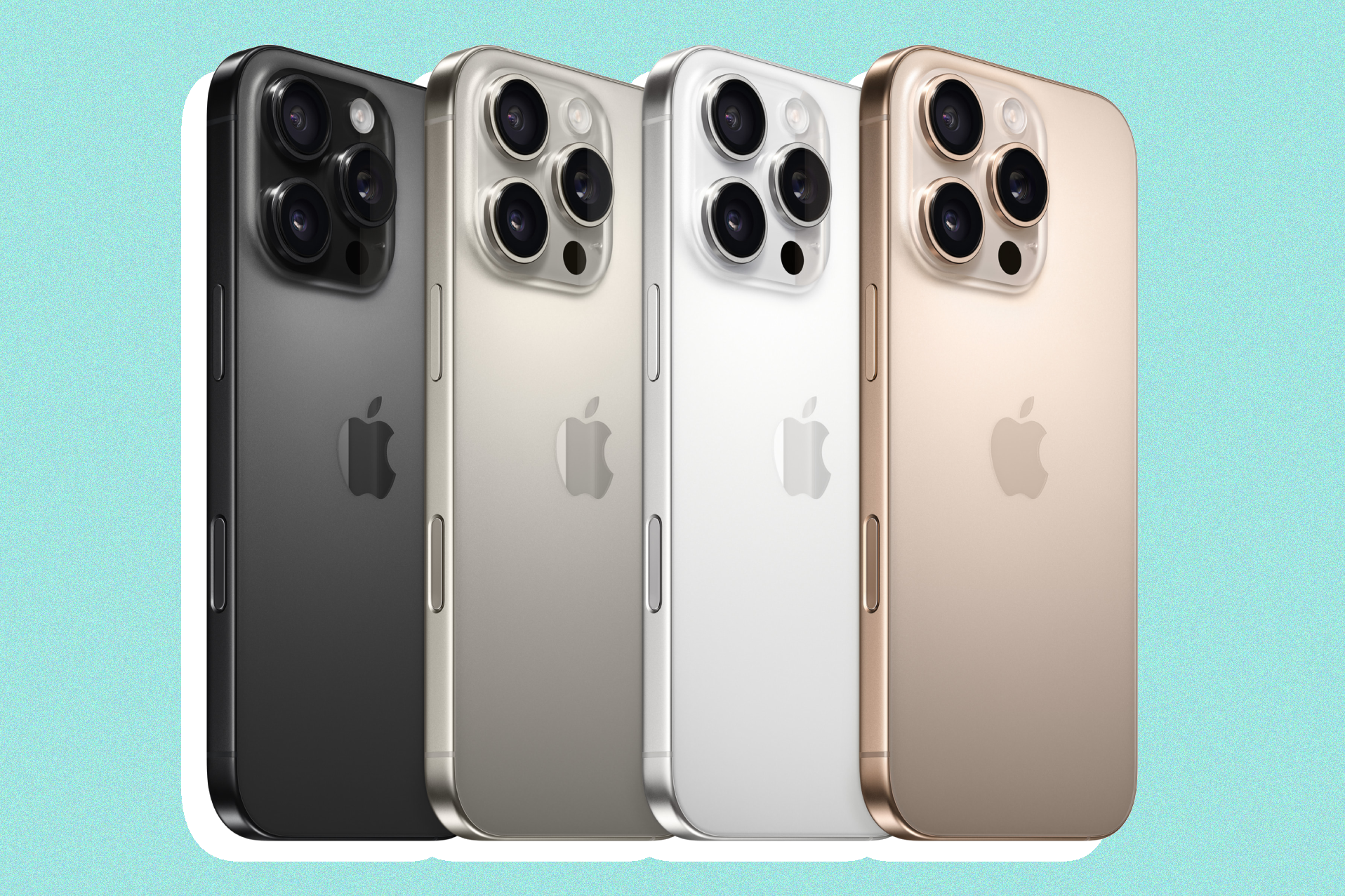
Once a phone is in the hands of a refurbisher, it goes through a rigorous, multi-point inspection process. This isn’t just a quick once-over. Technicians perform a comprehensive diagnostic check, testing every single function of the phone. This includes the camera lenses, the charging port, the microphone, the speakers, the buttons, and the various sensors. If any part is found to be faulty or underperforming, it is repaired or replaced. The battery, a common point of concern for any used device, is a key part of this process. It is tested for its health and capacity, and if it falls below a certain threshold (often around 80% of its original capacity), it is replaced with a new one.
Beyond the internal components, the phone’s exterior is also meticulously restored. The device is cleaned, polished, and any cosmetic damage is addressed. This often involves replacing the screen or the casing if they are scratched or cracked. The final step is a factory reset, wiping all previous user data and restoring the device to its original software settings. The phone is then repackaged, often in a new, unbranded box, and is ready to be sold with a warranty.
This professional process is the key distinction between a “refurbished” phone and a simple “used” or “second-hand” device. A used phone is sold as-is, with no guarantee of quality, and often no warranty. You’re taking a gamble on the previous owner’s word. A refurbished phone, on the other hand, comes with the peace of mind that a professional has certified its functionality.
The Financial Advantage: Why Refurbished is a Smart Choice for Your Wallet
The most immediate and obvious reason to consider a refurbished smartphone is the cost savings. Let’s be honest, flagship smartphones have become incredibly expensive. With new models hitting the market every year with incremental upgrades, the price of a brand-new device can be a major barrier for many people.
Refurbished phones, however, offer a steep discount on these same devices. Depending on the model, age, and cosmetic condition, you can expect to save anywhere from 20% to 50% or even more compared to the brand-new retail price. This means you can get last year’s top-tier phone, which is still an incredibly powerful and capable device, for a mid-range price. Or, you can get a mid-range phone for an entry-level price.
This is a particularly attractive option for a few different buyer profiles. For the budget-conscious consumer who wants a high-quality device without the financial strain, it’s a no-brainer. For parents buying a phone for a teenager, it’s a way to provide a modern, functional device without the same level of financial risk if it gets lost or damaged. And for anyone who simply doesn’t feel the need to have the absolute latest model, it’s a way to get the features and performance they want at a fraction of the cost.
The savings aren’t just a one-time thing, either. By opting for a refurbished phone, you’re also avoiding the rapid depreciation that hits a new phone the moment you take it out of the box. While a new phone’s value plummets in the first year, a refurbished phone’s value holds more steady, making it a smarter long-term investment.
The Environmental Impact: A Sustainable Tech Choice
Beyond the financial benefits, choosing a refurbished smartphone is a conscious and powerful decision for the environment. The production of new smartphones has a significant carbon footprint. This includes the mining of rare earth minerals, the manufacturing process, and the energy required for shipping and distribution. The disposal of old phones, often in landfills, contributes to the growing problem of electronic waste, or e-waste, which can release harmful chemicals into the environment.
By buying a refurbished phone, you are actively participating in the circular economy. You’re extending the life of a device that would otherwise be discarded, reducing the demand for new production, and minimizing the environmental impact of manufacturing. It’s a simple, yet effective, way to make a difference. Every refurbished phone sold is one less phone that needs to be made, and one less phone that ends up in a landfill.
Many refurbishers and retailers are now highlighting the eco-friendly aspects of their business, making it easier than ever for consumers to make a choice that aligns with their values. When you choose a refurbished phone, you’re not just saving money; you’re also contributing to a more sustainable and responsible tech industry.
The Peace of Mind: Warranties, Grades, and Return Policies
One of the biggest hesitations people have about buying a non-new device is the lack of protection. This is where the refurbished market truly shines and sets itself apart from the used market. Reputable refurbishers and retailers offer warranties on their devices, just like you would get with a new phone. While these warranties may be shorter than a new phone’s, typically ranging from a few months to a year, they provide crucial protection against unexpected faults.
It’s important to do your research and buy from a trusted source. Manufacturer-refurbished phones, such as those from Apple or Samsung, are often considered the gold standard. These devices have been refurbished by the original manufacturer, using genuine parts, and often come with a full one-year warranty.
In addition to warranties, most sellers grade their refurbished devices based on their cosmetic condition. This allows you to choose a phone that meets your expectations for how it looks. The grades typically fall into categories like “Pristine” or “Grade A,” which means the phone is in a flawless, like-new condition. Then there are grades like “Excellent,” “Very Good,” or “Grade B,” which may have some minor, almost unnoticeable cosmetic blemishes. The lower the grade, the more visible the signs of use, but also the lower the price. This grading system gives you transparency and control, allowing you to prioritize either a flawless appearance or a deeper discount.
Furthermore, a key part of buying from a reputable seller is the return policy. Most professional refurbishers offer a return period, often 14 or 30 days, which allows you to inspect the phone and ensure you’re happy with your purchase. This effectively eliminates the risk of being stuck with a faulty or subpar device.
The Downsides to Consider (And How to Mitigate Them)
While the benefits of buying a refurbished smartphone are clear, it’s also important to be aware of the potential downsides and how to navigate them. No purchase is without its compromises, and a refurbished phone is no different.
One of the main potential downsides is battery life. While a good refurbisher will test and replace batteries that don’t meet their standards, the battery may not be at 100% of its original capacity. Even a new battery may not be as robust as the one in a brand-new device due to the age of the components. However, with most modern phones, a battery health of 80% or more is still considered excellent and will get you through a full day of typical use. It’s always a good idea to check if the seller specifies the battery health of the device you’re buying.
Another consideration is the cosmetic condition. While the grading system provides a good guideline, a “Good” or “Grade C” phone might have more noticeable scratches and scuffs than you’re comfortable with. This is why it’s crucial to read the product description carefully and understand what each grade means for that particular seller.
Finally, refurbished phones may not come with the original accessories or packaging. This is often done to keep costs down and to be more environmentally friendly. You might receive a generic charging cable and a power adapter, rather than the original branded ones. This is a minor inconvenience for most people, but it’s something to be aware of.
The Verdict: Refurbished Smartphones Are Absolutely Worth It
So, after all is said and done, are refurbished smartphones worth it? For the vast majority of consumers, the answer is a resounding yes. They represent a smart, cost-effective, and environmentally friendly alternative to buying new. You can access premium technology at a significantly lower price point, with the peace of mind that comes from a professional refurbishment process and a solid warranty.
The refurbished market is no longer a last resort; it’s a first-class option. As new phone prices continue to climb and the environmental conversation becomes more urgent, the value proposition of a refurbished device becomes more and more compelling. It’s a way to get the phone you want, with the performance you need, without the heavy financial or environmental cost.
However, the key to a successful refurbished purchase lies in doing your homework. Research reputable sellers, understand their grading system, check the warranty and return policy, and confirm the battery health. By taking these simple steps, you can confidently navigate the refurbished market and find a fantastic device that feels brand-new in every way that matters. The next time you’re in the market for a smartphone, don’t automatically reach for the newest model. Consider the power, the savings, and the sustainability of a refurbished phone. You might just find that it’s one of the smartest decisions you’ll make all year.


