
Here is a 2000+ word article about internet public service, written in a casual English style for a general audience. It’s formatted for a WordPress blog and focuses on SEO principles without using images.
The Unsung Heroes of the Digital World: Why We Need Internet Public Service
Hey there, digital denizens! Ever stopped to think about how much of our lives now happen online? From catching up with family to paying our bills, from researching a new hobby to landing a dream job – the internet is no longer just a luxury. It’s the digital lifeblood of our modern society.
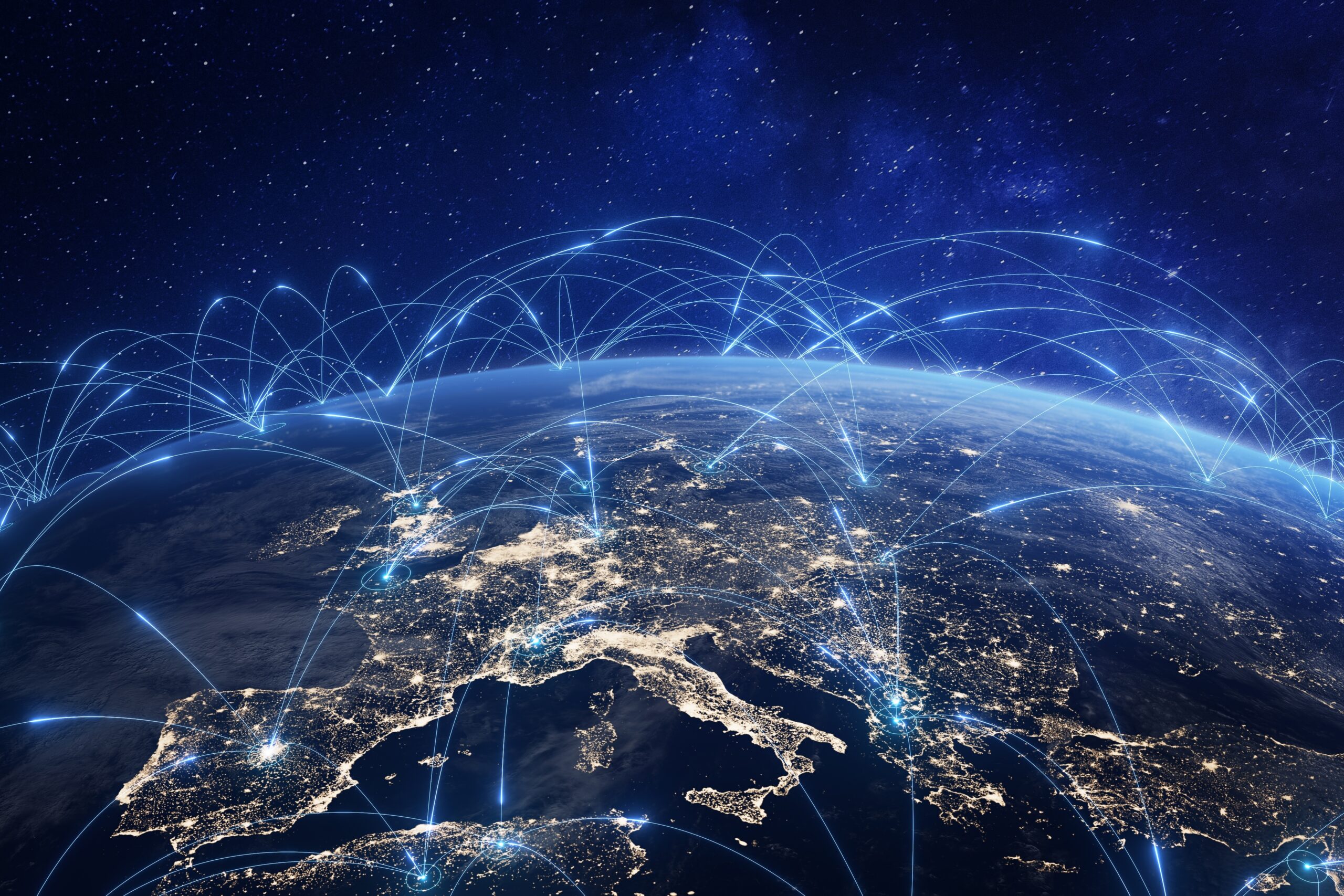
But here’s a question for you: what if the internet wasn’t just a place to buy things or binge-watch shows? What if it was, in some ways, a public service, much like our roads, libraries, or even the power grid? It might sound a little out there, but bear with me. Because the concept of an “internet public service” is not just a high-minded ideal; it’s a practical, essential idea for building a more connected, more equitable world.
The Great Digital Divide: A Tale of Two Realities
Let’s start with a problem we can all see, even if we don’t always acknowledge it: the digital divide. For many of us, high-speed internet is a given. It’s as common as running water. We stream 4K videos, download massive files in seconds, and have multiple devices connected at once without a hiccup.
But that’s not the reality for everyone.
Think about a family in a rural area where the internet connection is spotty at best, and dial-up speeds are still a frustrating reality. Or a low-income household in an urban center where the cost of a decent plan is simply out of reach. For these communities, the internet isn’t a seamless portal to opportunity; it’s a frustrating, often-closed door.
The digital divide isn’t just about slower videos. It’s about a lack of access to educational resources that can help a child get ahead in school. It’s about missing out on telemedicine appointments that can save a senior from a long, expensive trip to the doctor. It’s about being unable to apply for jobs that are exclusively posted online.
This isn’t just a technological problem; it’s a social and economic one. And that’s where the idea of internet public service steps in, offering a bridge over this growing chasm.
The Case for “Internet for All”
When we talk about internet public service, we’re essentially talking about “Internet for All.” It’s the belief that just as every citizen has a right to clean water and a functioning electrical grid, they should also have a right to reliable, affordable internet access.
This isn’t about creating a massive, government-run internet company that competes with the private sector. It’s about a set of principles and policies designed to ensure that everyone, regardless of their zip code or income level, can participate in the digital world.
Here are a few ways this could work:
Universal Broadband Initiatives: Imagine if the government invested in building out fiber optic networks in underserved rural areas, much like they did with electricity in the last century. This would bring high-speed internet to communities that are currently left behind, empowering local businesses, and connecting residents to the global economy.
These aren’t just pie-in-the-sky ideas. Parts of these initiatives are already being implemented in various places around the world, proving that a more equitable internet is not only possible but necessary.
Beyond Access: The Broader Implications of Internet Public Service
The benefits of treating the internet as a public service go far beyond simply closing the digital divide. It has ripple effects across our entire society.
Navigating the Hurdles: The Challenges We Face
Of course, this isn’t a simple fix. There are significant challenges to overcome.
Cost and Funding: Building out infrastructure in remote areas is expensive. Funding these initiatives would require a combination of public and private investment, and a lot of creative policy-making. We’d have to decide as a society that this is a worthwhile investment.
These are not small problems, but they are solvable. They require us to shift our mindset from viewing the internet as just a consumer product to seeing it as a fundamental utility.
The Future is Public, and It’s Online
The conversation about internet public service is not just about wires and data packets. It’s about the kind of society we want to build. Do we want a society where opportunity is determined by your zip code or your income bracket? Or do we want a society where every individual has the tools they need to succeed and thrive?
By embracing the idea of an internet public service, we are making a choice. We are choosing to invest in our collective future. We are choosing to build a more inclusive, more connected, and more equitable world.
So next time you’re scrolling through your feed or watching a video, take a moment to appreciate the incredible network that makes it all possible. And then, think about the people who are left behind.
The internet has the power to be a great equalizer. It can connect us, educate us, and empower us. But it can only do so if we treat it not as a privilege for the few, but as a public service for the many. The digital age is here, and it’s time to ensure that everyone gets to be a part of it.


