
Here is a long-form article about smartphone trends this year, written in a casual English style, for SEO purposes.
The Future in Your Palm: Decoding This Year’s Smartphone Trends
Remember when a phone was just a phone? A device for making calls and maybe sending a text message or two? It feels like a lifetime ago. The smartphone has evolved into a personal assistant, a powerful camera, a mobile gaming console, and a window to the entire world, all fitting snugly in the palm of your hand. But the pace of change never slows down. This year, we’re seeing some truly fascinating trends that are reshaping how we use our phones, from the software that powers them to the hardware that makes it all possible.
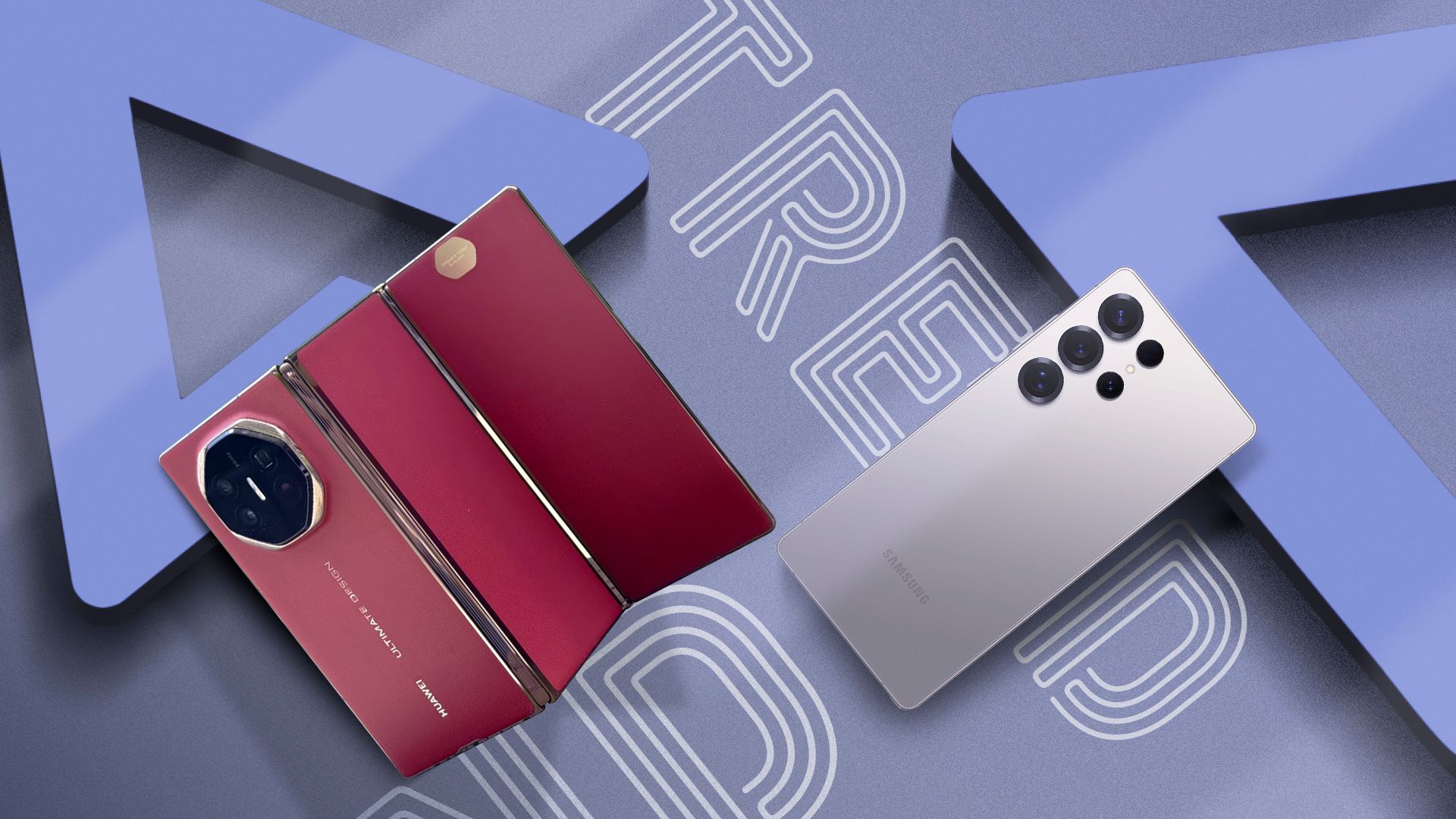
So, what’s the big deal with smartphones right now? It’s not just about a new, slightly better camera or a fractionally faster processor. The biggest shifts are happening in the underlying technology and the way manufacturers are approaching the market. We’re seeing a push for more intelligent, more personal devices, a battle for supremacy in the mid-range market, and some genuinely exciting advancements in battery and screen technology. Let’s dive in and explore what’s making waves in the world of mobile tech this year.
The Rise of the AI-Powered Assistant
If there’s one word that defines the smartphone landscape this year, it’s “AI.” Artificial intelligence is no longer a futuristic concept; it’s being woven into the very fabric of our devices. From on-device image processing to hyper-personalized digital assistants, AI is moving from a cool gimmick to a fundamental part of the user experience.
We’ve seen major players like Apple and Samsung make huge strides in integrating advanced AI features. This isn’t just about Siri or Google Assistant getting a little smarter. This is about AI that understands context, anticipates your needs, and makes your phone a genuinely more helpful companion. Imagine a digital assistant that can have a continuous, personalized conversation with you over text or voice, remembering past interactions and providing more relevant information. That’s the direction we’re headed.
On the hardware side, this focus on AI is driving innovation in processor design. The chips inside our phones are being built with dedicated AI engines to handle these complex tasks locally, right on the device. This not only makes the AI more responsive but also improves privacy and security, as sensitive data doesn’t need to be sent to the cloud for processing. Features like AI-powered photo editing, which can instantly remove backgrounds or turn a rough sketch into a detailed image, are becoming standard. This is a game-changer for creativity and productivity, and we’re only scratching the surface of what’s possible.
Another fascinating use of AI is in security. We’re seeing clever theft detection systems that can recognize when a phone is snatched from a user’s hand and automatically lock the device to protect their data. This is a crucial and practical application of AI that addresses a very real-world problem. As these technologies mature, we can expect to see even more sophisticated biometric authentication and encryption methods, making our phones more secure than ever before.
A New Battle for the Mid-Range
For a long time, the smartphone market felt a bit like a two-horse race between the latest flagship models from Apple and Samsung. But this year, the competition is getting fierce, and it’s not just at the top end. The mid-range and even the lower-end segments are seeing incredible growth, particularly in emerging markets.
This trend is being fueled by a few key factors. First, the technology in mid-range phones has gotten really good. Many devices in the affordable bracket now offer features that were once reserved for premium models, such as high-refresh-rate screens, multi-camera systems, and long-lasting batteries. Companies like Xiaomi, vivo, and Google’s Pixel series are releasing devices that deliver a fantastic user experience without the flagship price tag.
Second, economic factors and government initiatives are playing a huge role. In regions like China and India, government subsidies and a growing middle class are boosting sales of more affordable, yet highly capable, Android devices. This is creating a vibrant and competitive market where consumers have more choices than ever. The demand for “affordable premium” options, like Apple’s iPhone 16e, also shows that consumers are looking for a balance of premium features and a more accessible price point.
The result is a market that’s less focused on a single-model hierarchy and more on a diverse range of devices tailored to different budgets and needs. This is great news for consumers, as it means more innovation and better value for their money, no matter how much they’re looking to spend. It’s also forcing all manufacturers, even the big ones, to think about their entire product lineup and not just their most expensive phones.
The Hardware Revolution: Screens, Batteries, and Buttons
Beyond the software and market dynamics, there are some really exciting things happening with the physical components of our phones. The hardware is getting a serious upgrade, and it’s making our phones more durable, more powerful, and more user-friendly.
First up, let’s talk about screens. The dream of a tri-folding or rollable screen is getting closer to reality. While we’ve had folding phones for a few years, they’re still in a niche market. The next step is making these devices more practical and durable. We’re seeing manufacturers like Samsung and Oppo push the boundaries of what’s possible with flexible display technology, with an eye toward making these phones mainstream. A rollable screen, in particular, could offer a massive display in a device that’s still compact enough to fit in your pocket.
Next, battery technology is finally getting the attention it deserves. For years, battery life has been a common frustration for smartphone users. This year, we’re seeing some real breakthroughs. Companies are developing solid-state batteries, which promise not only longer battery life but also improved safety and faster charging times. This shift from traditional lithium-ion batteries to solid-state technology could be the biggest battery revolution we’ve seen in a decade. We’re also seeing the adoption of silicon-based battery technology, which offers a higher energy density, allowing for bigger batteries in a thinner chassis and supporting incredibly fast charging speeds. This is a massive win for users who rely on their phones all day and need to top them up in a flash.
And finally, a small but significant trend is the return of physical buttons. While the sleek, button-less aesthetic has been popular, some manufacturers are adding dedicated, multi-functional buttons back to their devices. These aren’t just volume rockers; they’re customizable buttons that can launch the camera, open a specific app, or trigger an AI command. This simple addition makes our phones more tactile and can significantly improve the user experience by providing quick access to our most-used features. This is a great example of how a seemingly old-school idea can be reimagined to be innovative and useful in a modern context.
What Does This Mean for You?
So, with all these trends, what’s the takeaway for the average person looking for a new phone this year? The key is that you have more options than ever, and a “great” phone doesn’t have to be the most expensive one.
If you’re a tech enthusiast who wants the latest and greatest, the premium flagship devices are pushing the boundaries with advanced AI, incredible cameras, and cutting-edge battery technology. But if you’re looking for a device that offers a fantastic experience without breaking the bank, the mid-range market is where you should be looking. You can get a phone with a great camera, a powerful processor, and a battery that lasts all day, all for a fraction of the cost of a top-tier device.
The move toward more integrated and personal AI means your next phone will likely feel a lot smarter and more helpful than your last one. It will be a device that learns your habits and anticipates your needs, making your daily life a little bit easier. The advancements in battery tech mean you’ll spend less time tethered to a wall outlet, and the push for more durable and innovative hardware means your phone will be more capable and robust than ever.
In conclusion, this year is shaping up to be a landmark one for the smartphone. It’s a year of intelligent software, competitive hardware, and a shift in market dynamics that puts the power back in the hands of the consumer. It’s a testament to the fact that innovation is still alive and well in the mobile world, and the best is yet to come. So, whether you’re eyeing the latest flagship or a powerful mid-ranger, you can be sure that your next phone will be a significant step up, packed with features that will make your life better, one tap at a time.


